01
Reduce construction cost
SSI, PBSD, detailed modeling, and structural optimization allow NYA to verify what a building actually needs and right-size the structural solution.

Advanced seismic analysis, HCAI experience, constructability, coordination, and responsive delivery, focused on protecting construction cost, schedule, design intent, and project certainty.
Hospital projects combine seismic performance, regulatory scrutiny, dense building systems, long construction timelines, and high operational consequences. NYA approaches those demands as one connected delivery problem, not as separate engineering tasks.
The structural system is one of the largest cost drivers in a hospital. Analysis depth, member sizing, seismic strategy, and coordination can materially change what gets built.
HCAI reviews, design changes, unanswered structural questions, and coordination gaps can turn into delays that ripple across the project.
Hospitals carry unusually dense MEP systems and specialty requirements. Structural decisions must work with trades, clearances, sequencing, and the field.
Projects can span a decade. The team has to retain decisions, institutional knowledge, and responsiveness from early design through construction.
NYA's value is not just in the drawings. It is in the construction cost we help reduce, the schedule risk we manage, the coordination gaps we close, and the confidence we give the team.
SSI, PBSD, detailed modeling, and structural optimization allow NYA to verify what a building actually needs and right-size the structural solution.
Decades of HCAI experience, including participation on HCAI's plan review committee and direct HCAI project work, help keep approvals, communication, and construction moving.
Early MEP coordination, 3D clash detection, standardized details, and constructability thinking reduce the gaps that become rework and change orders.
Bench depth, project continuity, institutional knowledge, adaptability, and field responsiveness matter on hospital programs that span many years.
NYA calibrates team size, analysis depth, and scope to what the project actually demands, from straightforward hospital work to highly complex flagship programs. The objective is not more engineering. It is the right engineering, applied early enough to influence value.
Staffing and technical depth are matched to the project's scale and complexity instead of applying a one-size-fits-all model.
Full structural delivery, phased services, targeted support, and alternative scopes can be aligned to budget, risk, and project needs.
Early structural involvement creates more opportunity to influence system choice, cost, schedule, HCAI strategy, coordination, and constructability.
Relevant hospital examples, measurable outcomes, and a clear delivery approach help shift the conversation from engineering fee to total project value and reduced risk.

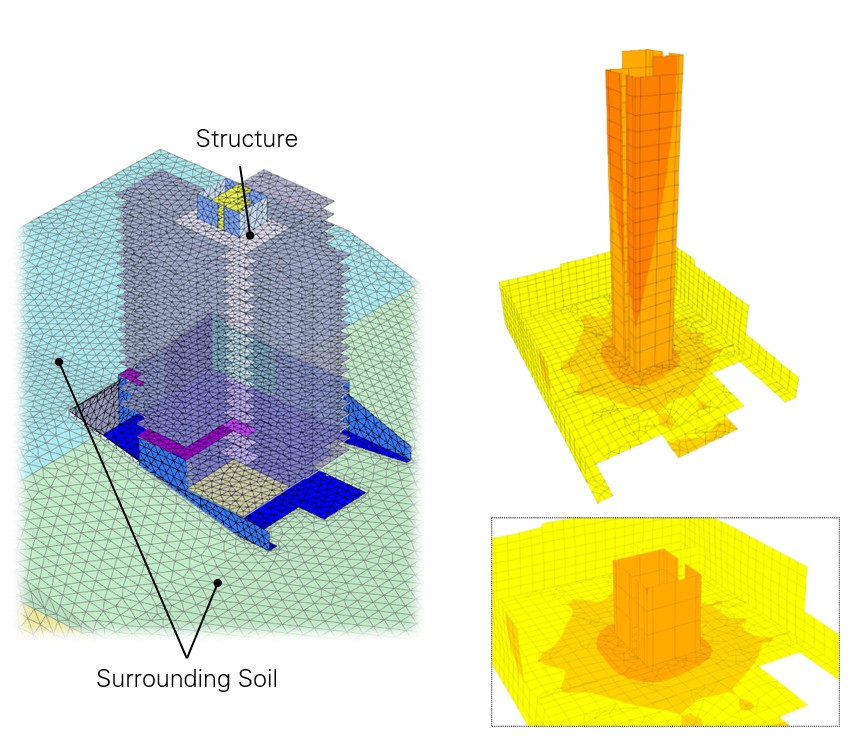
At UCLA 901 Levering Student Housing, detailed soil-structure interaction analysis reduced structural demands at the foundation level, demonstrating the same analytical mindset NYA brings to complex healthcare work.
On UCSF, NYA combined performance-based seismic design, nonlinear analysis, soil-structure interaction, supplemental damping, HCAI coordination, and constructability thinking to solve a hospital shaped by extreme site, seismic, and program constraints.
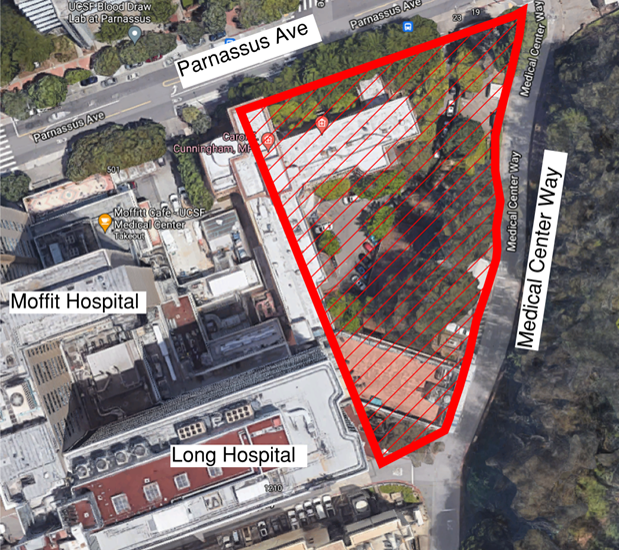
The project occupies a steep, highly constrained hillside site bounded by existing hospital buildings, roadways, active operations, utilities, and sharply varying ground conditions. Those constraints drove an irregular building footprint and complex structural behavior.
NYA evaluated multiple lateral-system strategies and resilience implications. The selected approach paired steel special moment frames with supplemental damping, preserving hospital planning flexibility while controlling seismic response without the space and cost impacts of a seismic moat.
Fluid viscous dampers dissipate seismic energy through velocity-dependent resistance without adding global stiffness. Because they do not have to stack vertically like conventional braces, the damping system could be distributed around the hospital's demanding program and geometry.
NYA's global analysis incorporated the superstructure, foundation system, nonlinear soil behavior, semi-rigid diaphragms, gravity framing, and staged construction. That analytical depth gave the team a more realistic picture of demand and created opportunities to remove unnecessary conservatism.
The damping system, SidePlate moment-frame connections, custom cast components, steel fabrication, medical-space constraints, and field connections had to work as one coordinated system. The project also used delivery innovations that connected structural engineering directly to trade coordination and construction sequencing.
The UCSF story moves from analytical models and AMCs into actual fabrication and construction. The same decisions that controlled seismic response also influenced steel quantities, connection design, testing, inspection, sequencing, and how the project could be delivered in the field.
A fixed-base assumption, a simplified SSI approach, and NYA's detailed SSI methodology represent progressively more complete models of soil and foundation behavior. The difference is how fully the analysis captures soil behavior around and below the basement, and how much unnecessary conservatism can be removed.
Detailed SSI allows foundation demand to redistribute through a more realistic representation of soil flexibility and energy dissipation rather than forcing all seismic demand directly into a rigid base.
UCSF shows why NYA's advanced methods are not about adding complexity for its own sake. The goal is to convert engineering judgment into material efficiency, approval pathways, fabrication efficiency, constructability, and better project decisions.
The broader AMC program also addressed material selection, seismic demand, fabrication, testing and inspection, sustainability, and constructability, showing how technical decisions can affect the project beyond structural calculations.
Reduced seismic base shear, higher-strength steel and reinforcement, and targeted structural optimization.
Alternative ultrasonic-testing procedures and strategic reuse of applicable damper test results.
Alternative box-column splices, continuity-plate details, bolted SidePlate connections, and prefabrication strategies.
Low-carbon concrete and thermal-control strategies tied to practical project delivery.
Concrete-placement tolerance and other field-focused alternatives designed around how the hospital is actually built.
Owners are often navigating HCAI requirements, complex coordination, late design changes, and budget pressures simultaneously. NYA brings the knowledge, foresight, and support to protect the owner throughout the process.
Architects need structural partners who do not default to “no.” NYA looks for ways to make the design work, protecting design intent while solving the seismic, regulatory, and constructability demands hospitals impose.
NYA considers material handling, repetition, standardized details, sequencing, field labor, trade coordination, and GC input before the structural design is locked in. Existing working relationships on major hospital projects mean collaboration does not always start from zero.

UCI demonstrates a different side of NYA healthcare value: delivery strategy, collaboration, and regulatory planning, not only advanced analysis.
NYA serves both complex flagship hospitals that demand advanced analysis and innovation and more straightforward healthcare projects where clarity, repetition, and efficient execution are the priority.
Decades of HCAI experience, participation on HCAI's plan review committee, direct HCAI project work, and advanced-method documentation through complex approvals.
In-house world-leading SSI expertise combined with nonlinear analysis, PBSD, damping, and detailed modeling to improve seismic performance and structural efficiency.
Structural details shaped around sequencing, labor, repetition, field conditions, material handling, and contractor input.
Integrated coordination workflows, 3D clash detection, RFI review, and tools that reduce the gap between design and field execution.
Structural Engineer of Record experience on major healthcare towers, base-isolated facilities, and complex academic medical centers.
Seismic evaluations, SPC/NPC upgrades, SB 1953 work, strengthening, phasing, and active-campus modernization.
Select a project to see its role, scale, structural focus, and project story.

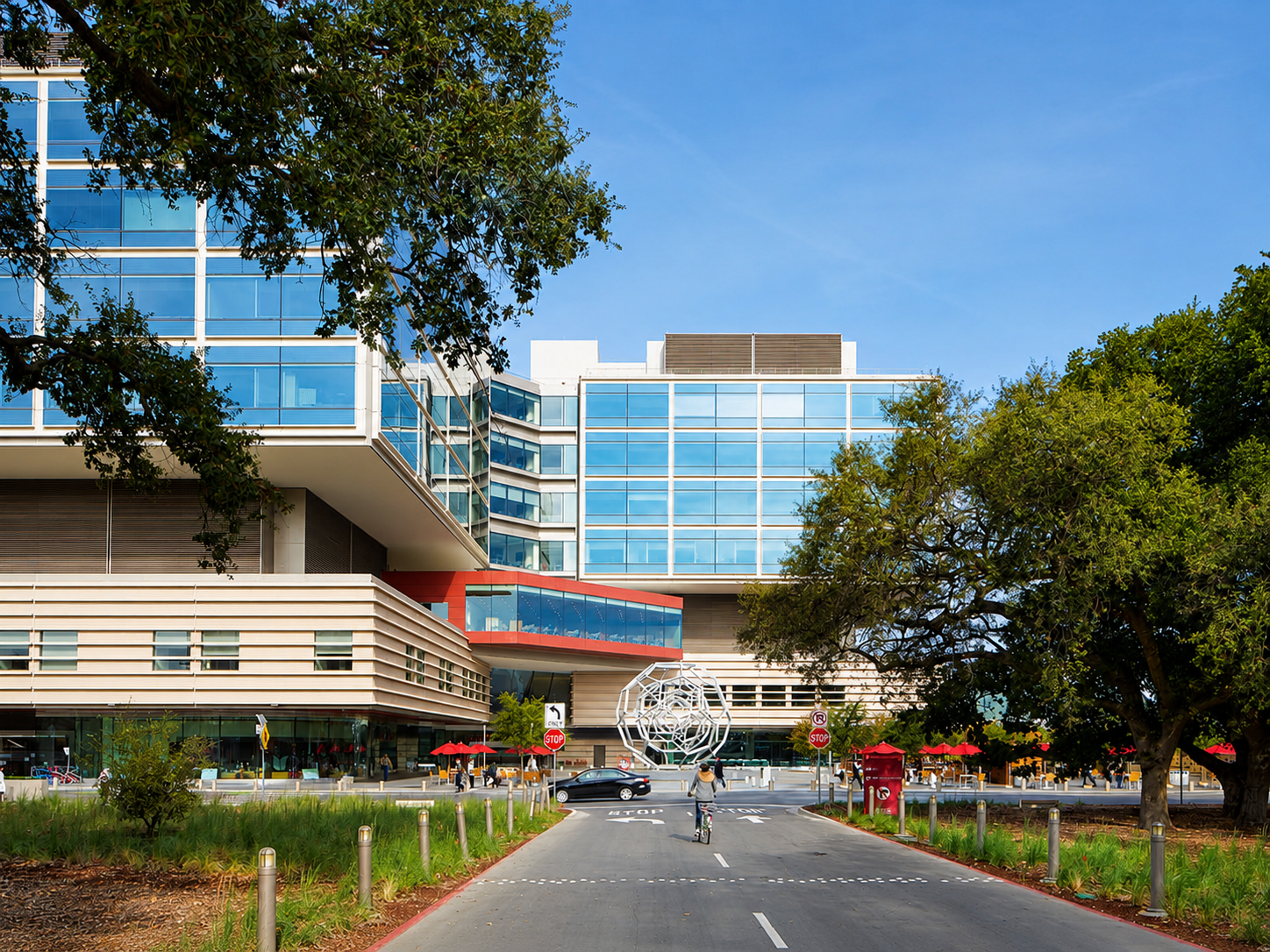
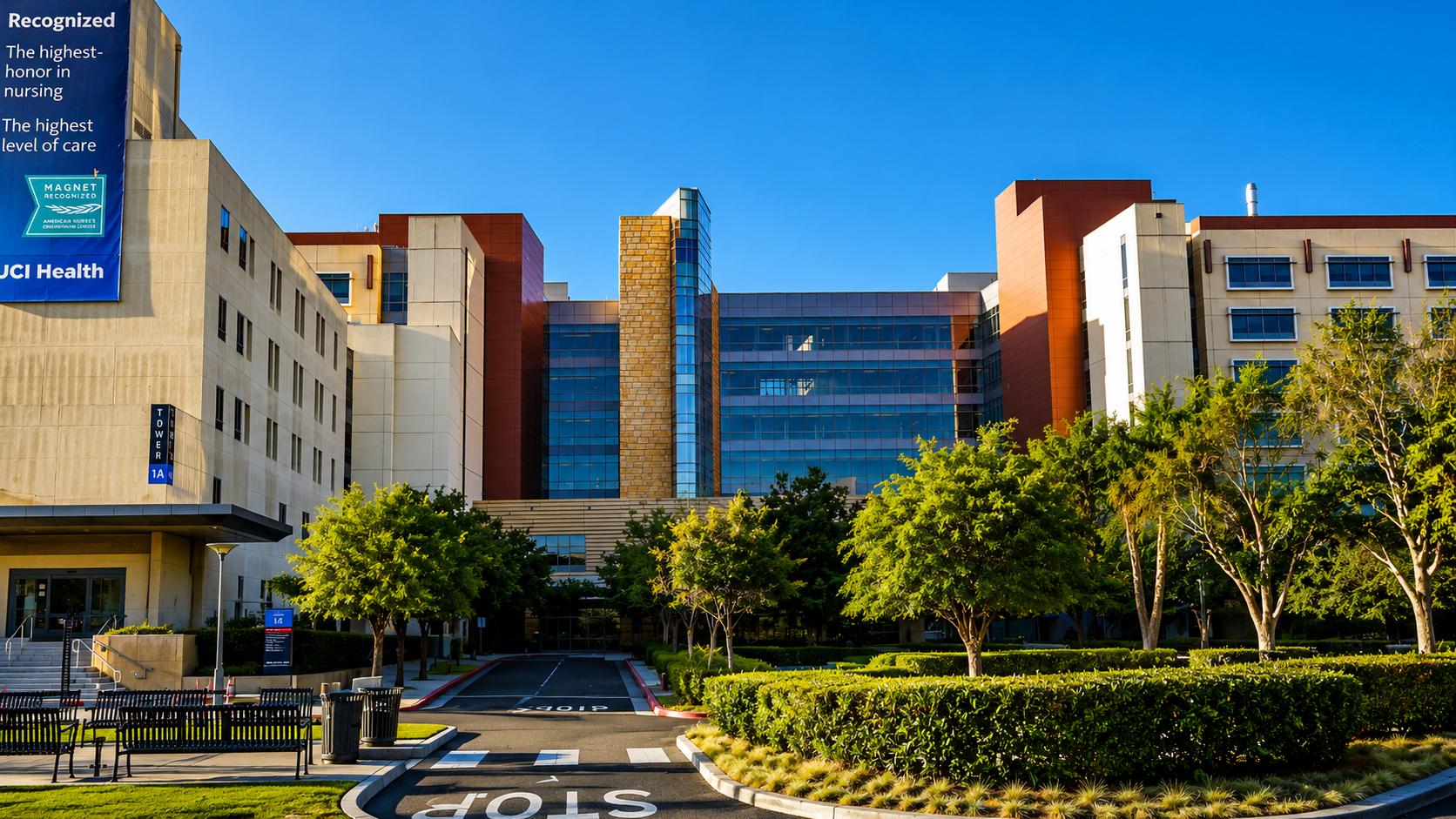

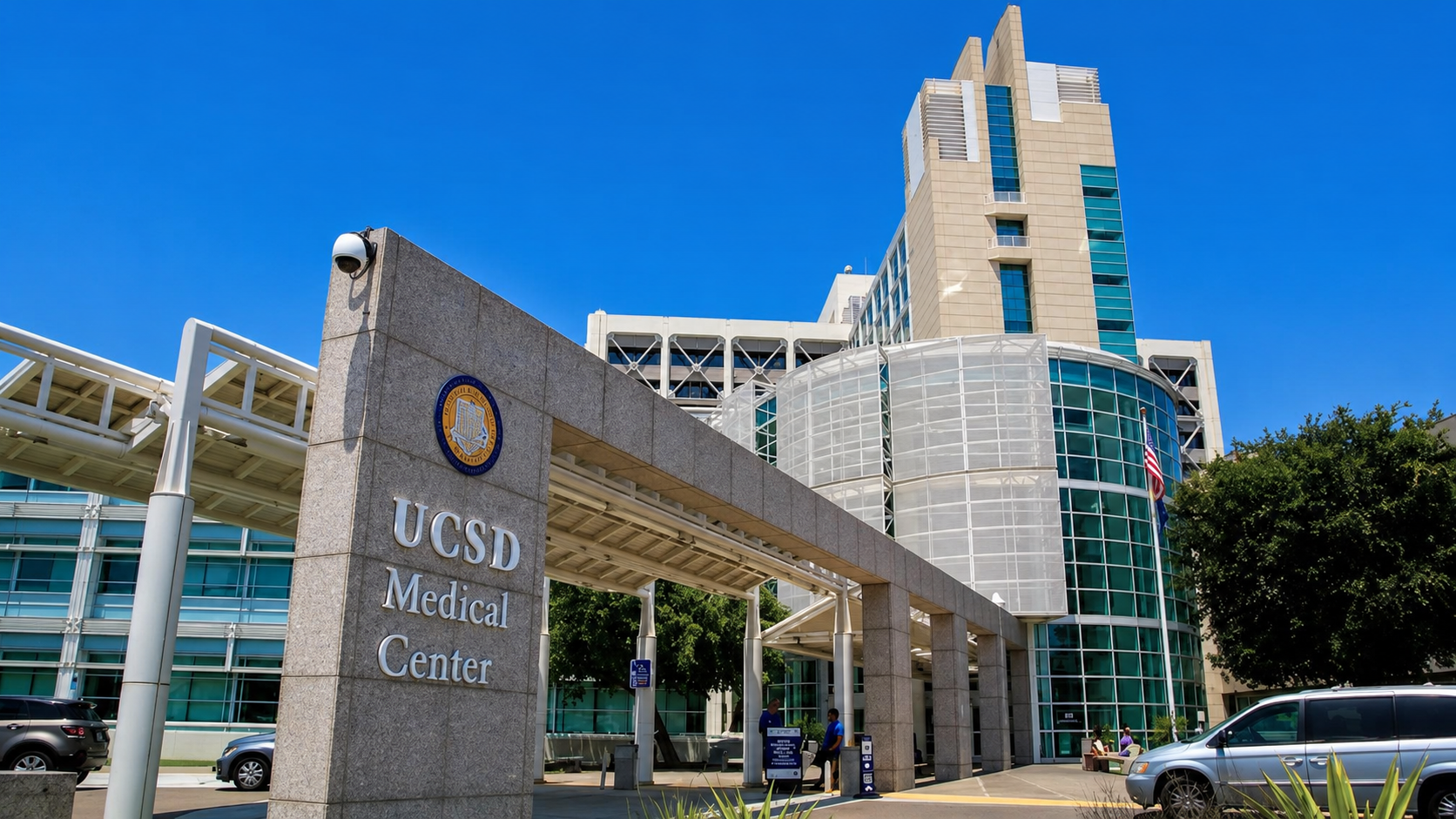

Hospital delivery tests every part of a structural team: analytical judgment, regulatory experience, design partnership, construction coordination, continuity, and speed. These are the behaviors NYA has built around healthcare work.
SSI, PBSD, nonlinear analysis, damping, and detailed modeling used to right-size the structure and support demanding performance objectives.
Decades of HCAI experience, including plan-review committee participation and direct HCAI project work, support predictable documentation, communication, and approvals.
Repetition, standardized details, prefabrication support, sequencing, and field realities considered before design decisions become expensive to change.
Automated heat maps, clash detection workflows, structured coordination, and 3D modeling reduce the gap between design intent and execution.
NYA is structured to provide structural answers the same day when active hospital design and construction need decisions to keep moving.
The team and scope scale from complex flagship hospitals to simpler facilities, including targeted or phased support, while preserving the institutional knowledge long-duration projects depend on.
Bring NYA in while structural decisions can still influence cost, schedule, HCAI strategy, constructability, and design flexibility. We can tailor the team, analysis depth, and scope. From full structural delivery to phased or targeted support, the approach can match the complexity and budget the project actually requires.
Relevant hospital examples, references, and delivery-team introductions can be matched to the project type, scale, and pursuit needs.